 Back to Projects
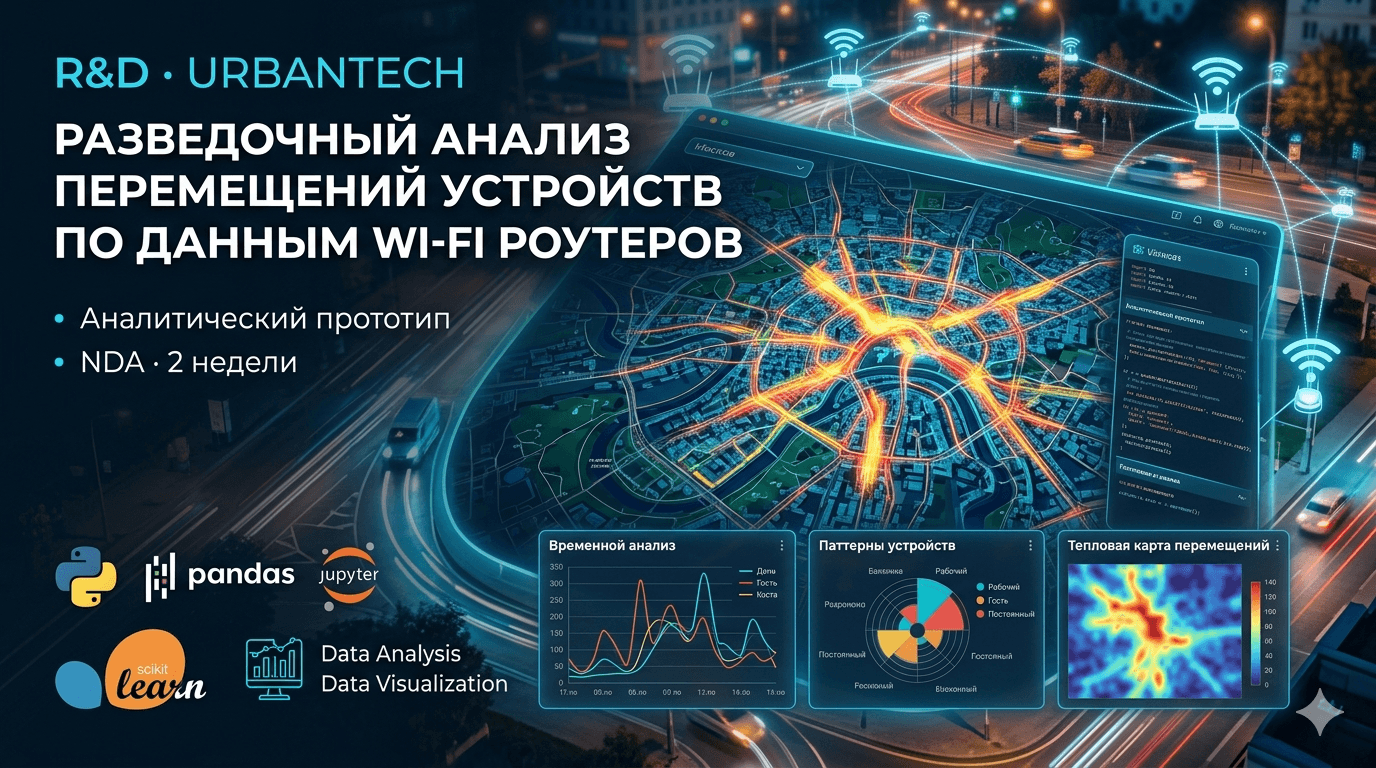
Exploratory Analysis of Device Movement via Wi-Fi Router Data
We developed an analytics prototype for exploratory analysis of Wi-Fi router data and device movement patterns across the city — at the intersection of data analysis, urban analytics, and applied modeling.
Client
NDA
Period
2 weeks
Format
Analytics prototype
About the project
We developed an analytics prototype for exploratory analysis of Wi-Fi router data and device movement patterns across the city. The project sat at the intersection of data analysis, urban analytics, and applied modeling. The main objective was to understand, based on anonymized data, what patterns can be identified in device movements and how this data can be used for further analytical applications.
The Challenge
We needed to conduct exploratory analysis of a Wi-Fi router dataset and determine how device movements in an urban environment can be tracked. The key requirement was to quickly understand the data structure, identify significant features, detect movement patterns, and build a foundation for further route and activity interpretation.
Our Solution
- Conducted initial analysis of the Wi-Fi router dataset
- Examined record structure, temporal dependencies, and device behavioral patterns
- Identified features for interpreting movement and recurring routes
- Built analytical model for studying device distribution across time and locations
- Visualized key patterns and anomalies in the data
- Created prototype system for further work with urban telemetry
Results
- Analytics prototype for device movement research delivered in 2 weeks
- Raw Wi-Fi router data translated into a clearer analytics format
- Basic patterns identified for movement analysis and behavioral scenarios
- Project demonstrated value extraction from anonymized urban telemetry
- Case shows expertise in exploratory analytics and rapid R&D prototyping
Similar projects
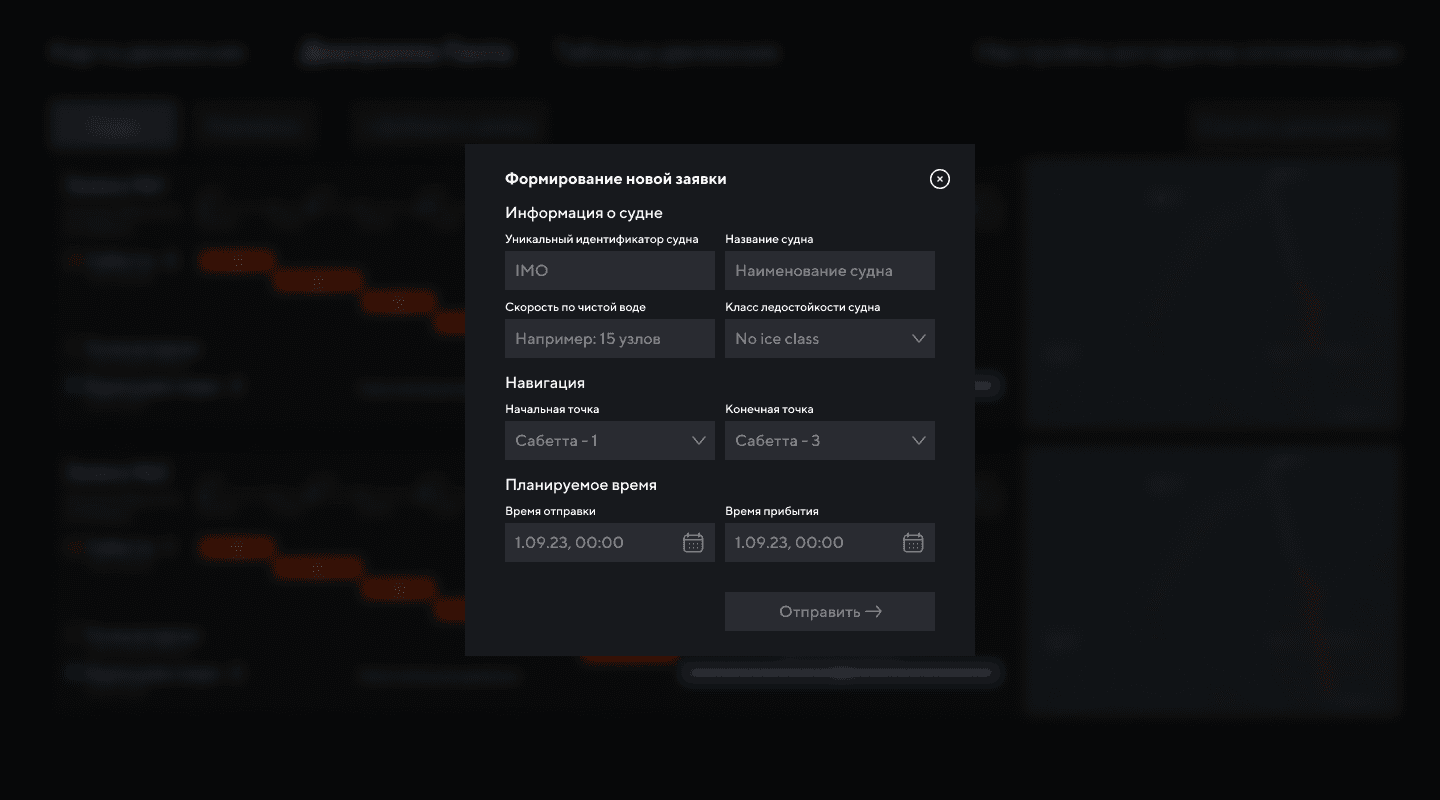
Icebreaker Fleet Movement Optimization Platform
For Rosatom, we developed an MVP platform for planning the movement of icebreaker and transport fleets. The core challenge: icebreakers are a scarce resource, so convoys cannot be planned in isolation — every decision affects fleet availability, routes, wait times, and the feasibility of the next convoy leg.
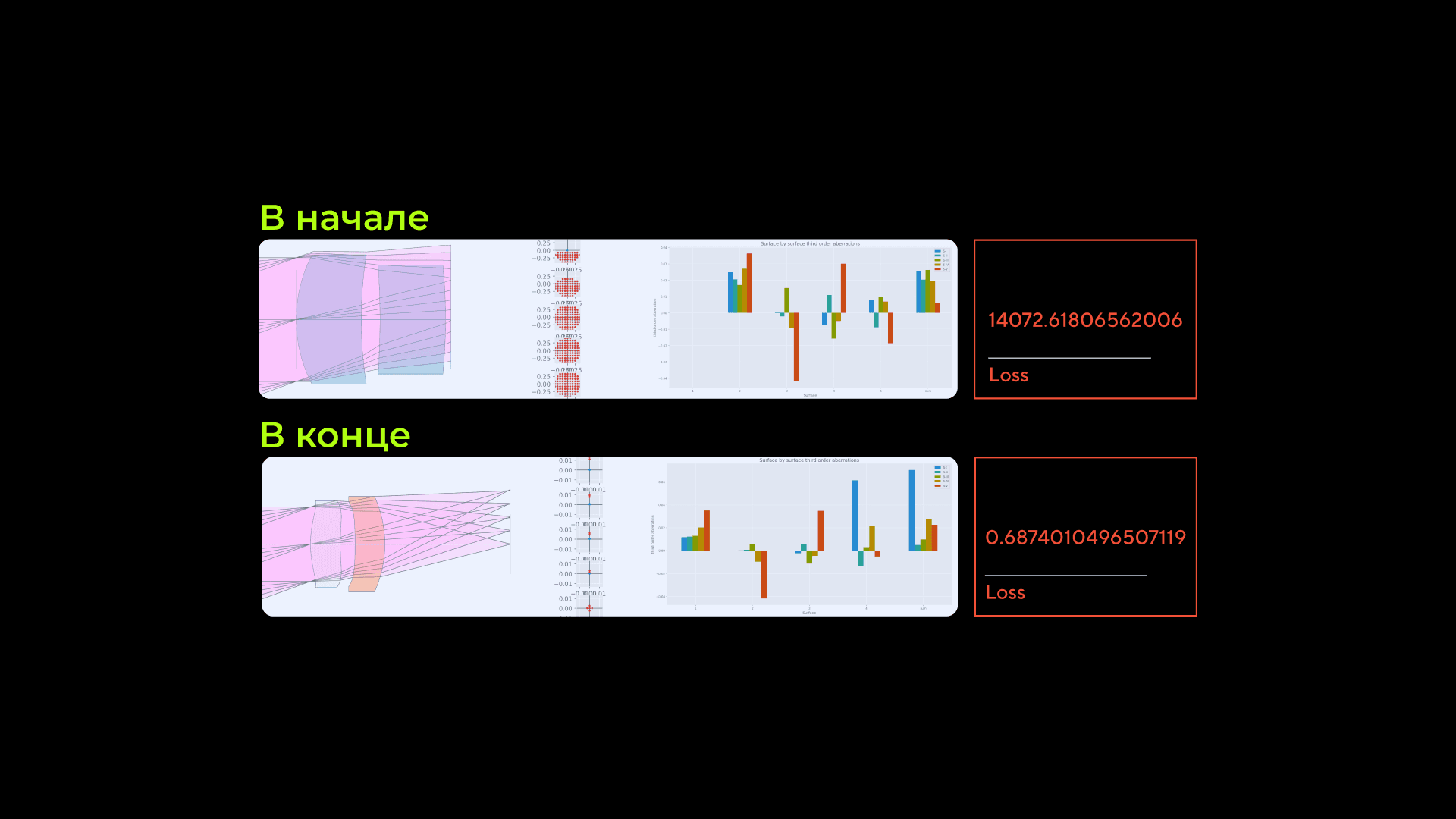
Optical System Optimization Algorithm
In collaboration with ITMO University, we developed a solution for selecting optical system configurations based on given physical constraints and image quality requirements. The project sat at the intersection of engineering, computational optics, and applied R&D.
Biological Tissue Stress Response Classification from Raman Spectroscopy Data
We developed an ML pipeline for non-contact detection of biological tissue stress response from Raman spectroscopy data — classifying HSP70 protein expression into three classes with an interpretable ensemble approach.
Let's buildsomething extraordinary.
Ready to start your next project? Reach out and let's discuss how we can help you achieve your goals.